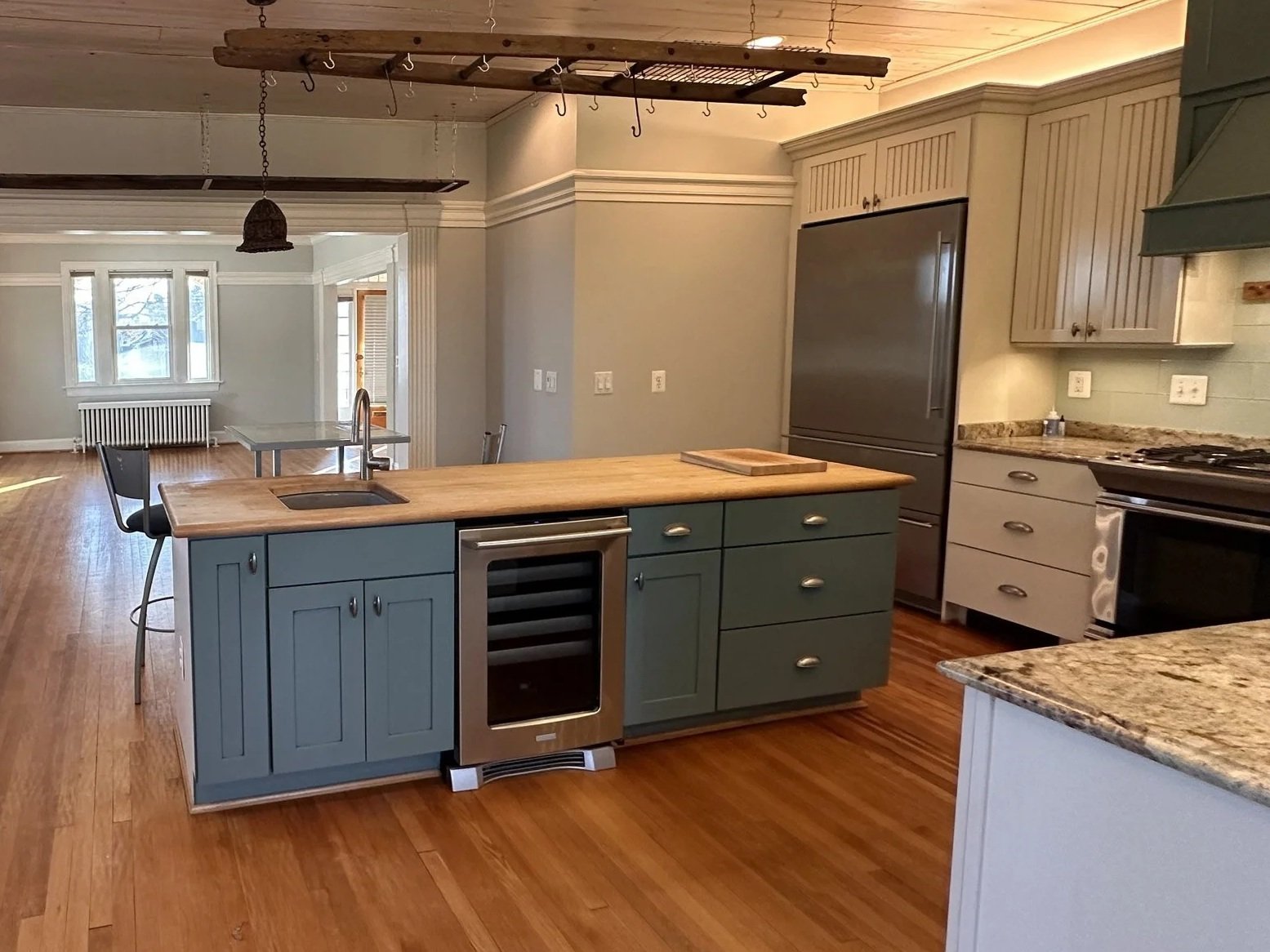
Built by hand, built to last
Every cabinet starts with the same standard: measured to the room, built by hand, and finished to a specification you approve. The construction methods and materials below are the same ones used on projects for homeowners, builders, and architects alike—regardless of style, size, or budget.
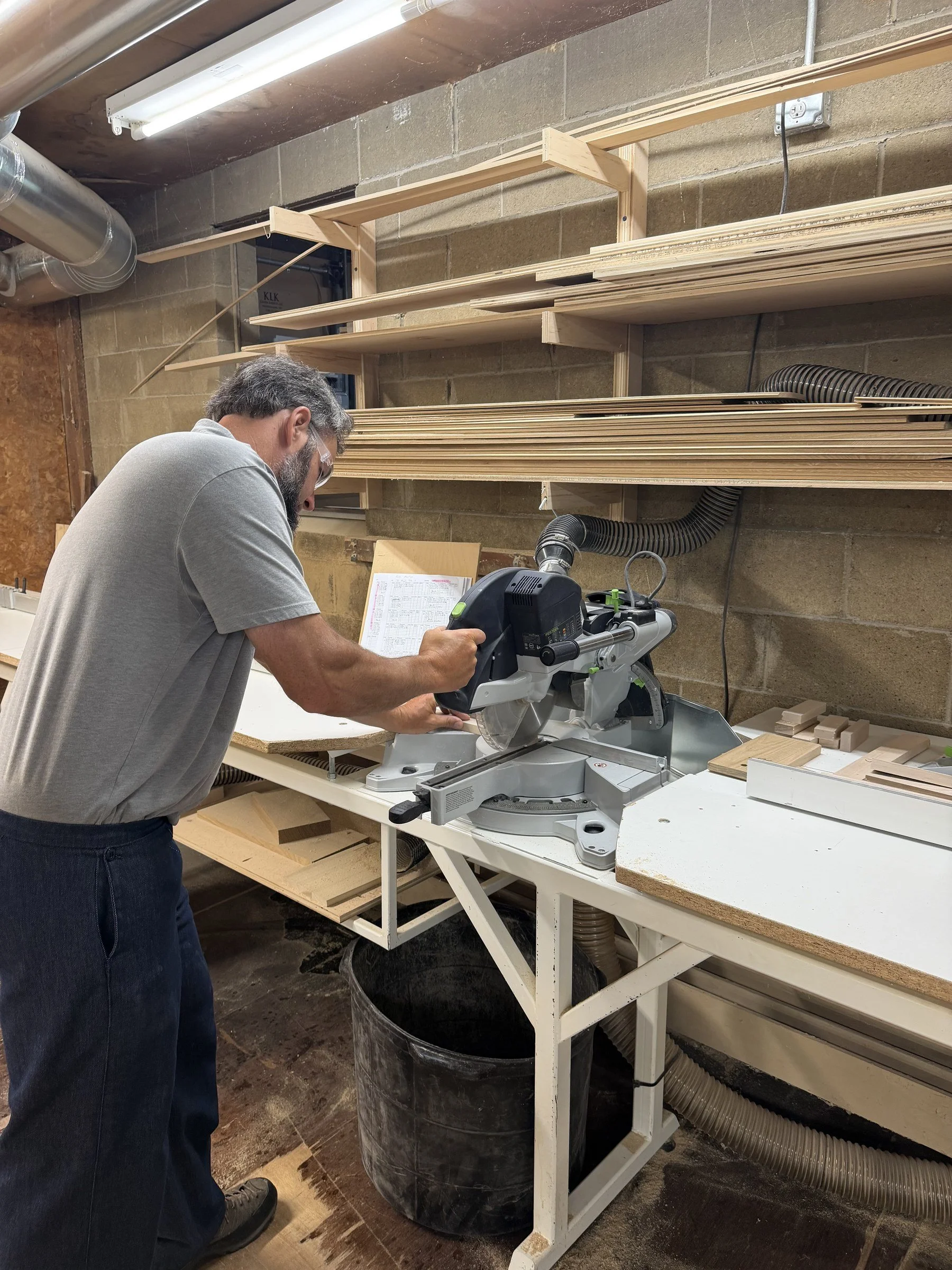
Solid from the inside out
Cabinet boxes are built from 3/4-inch high-density plywood. Drawer boxes are solid wood with dovetailed corners. Every hinge and drawer slide is soft-close. Built this way, a cabinet stays square and true for the life of the kitchen.
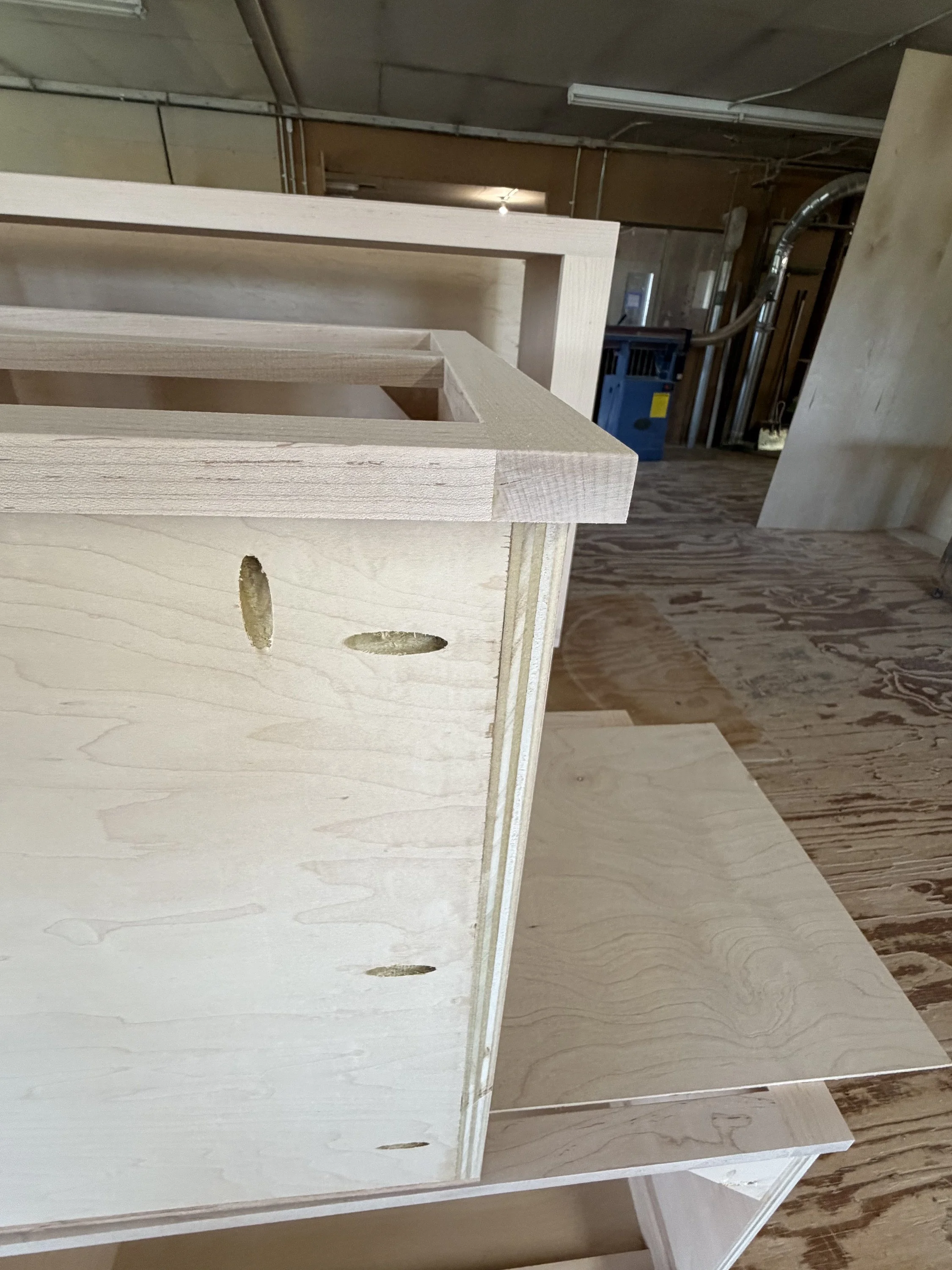
High-grade maple
Every painted surface—face frames, doors, and drawer fronts—is high-grade maple, chosen for strength, a smooth painted finish, and resistance to warping. For a natural-wood look, other species are available, and any stain-grade wood can be stained to the color you prefer.
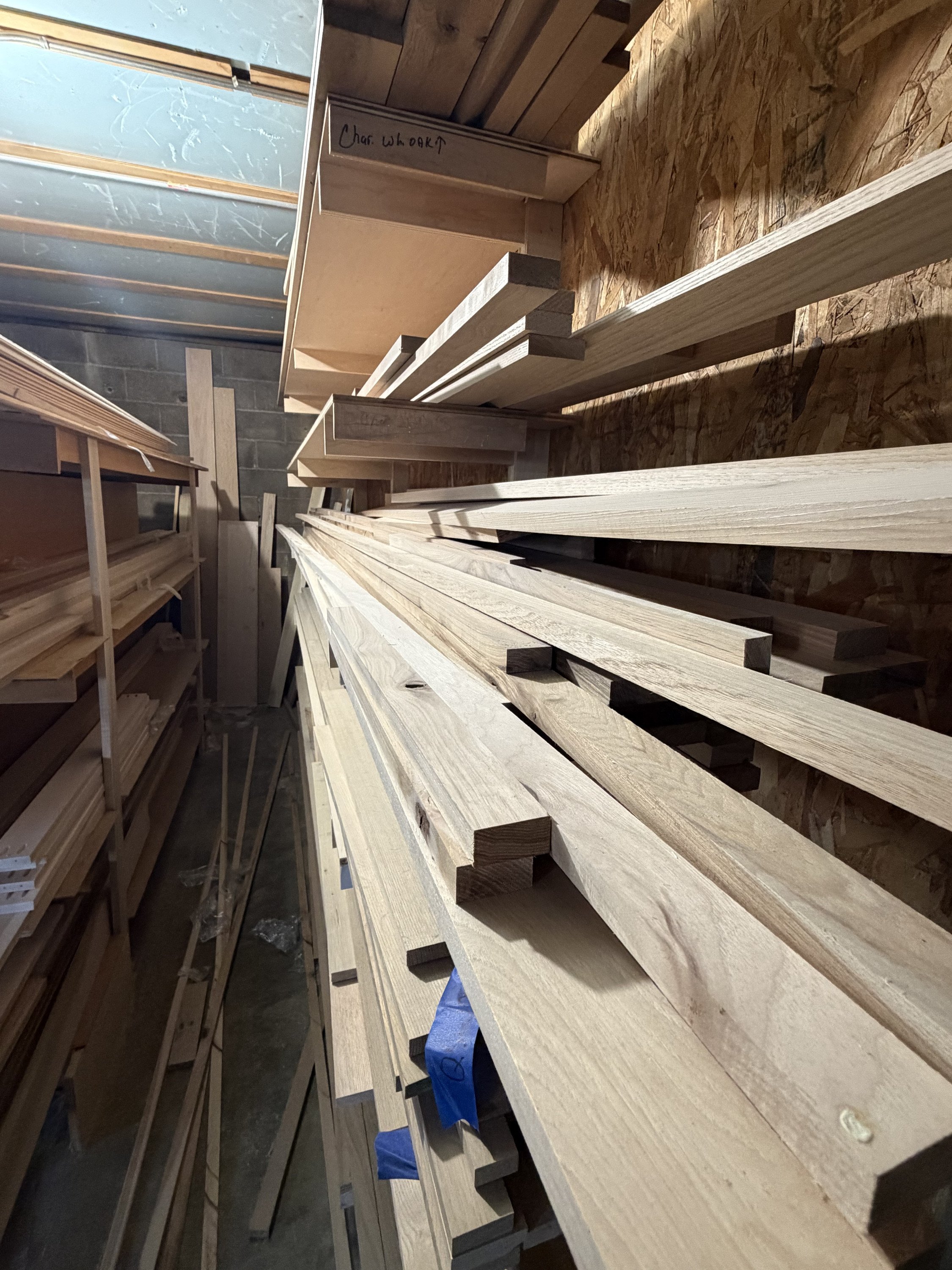
Color made for your home
Paint colors can be selected from the full Sherwin-Williams palette, allowing the cabinetry to match—or deliberately contrast with—the rest of the home. If you are matching an existing stain, samples can be produced and approved before production is complete.
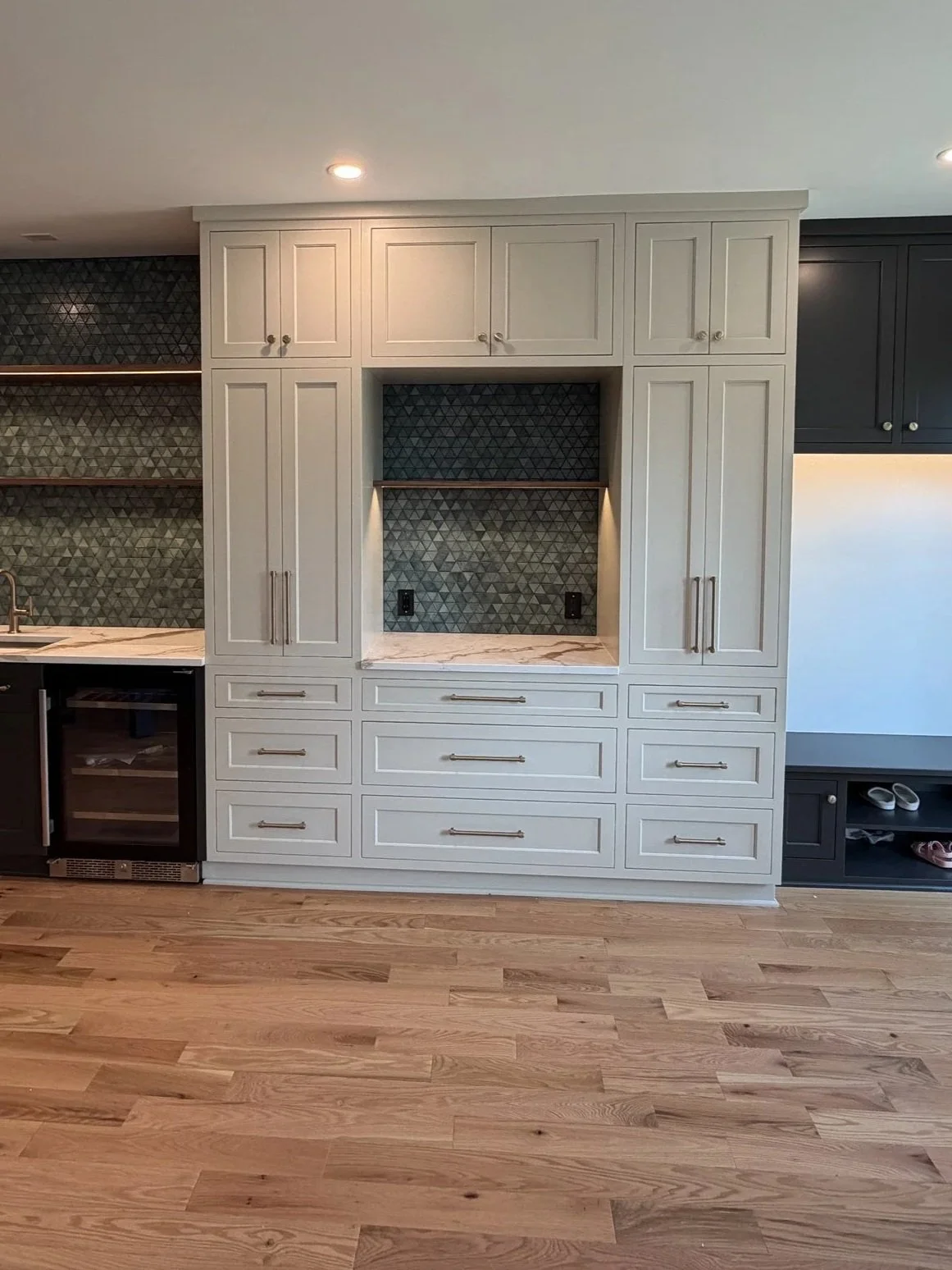
Built to the space
Every cabinet is made to order—any size, shape, color, or style. Standard door faces like shaker and beadboard are always available, and anything beyond them can be built. That range covers a large, open, high-end kitchen as readily as an older home, a row house, or a room with unusual angles and non-standard ceiling heights.